2027 Automotive Industry Predictions: What’s on the Horizon
The automotive industry is on the cusp of transformative changes. As we look towards 2027, the landscape promises to be vastly different from what we see today. From technological advancements to evolving consumer preferences, here’s what the road ahead might hold for the automotive world.
Electric Vehicles: Becoming the Norm
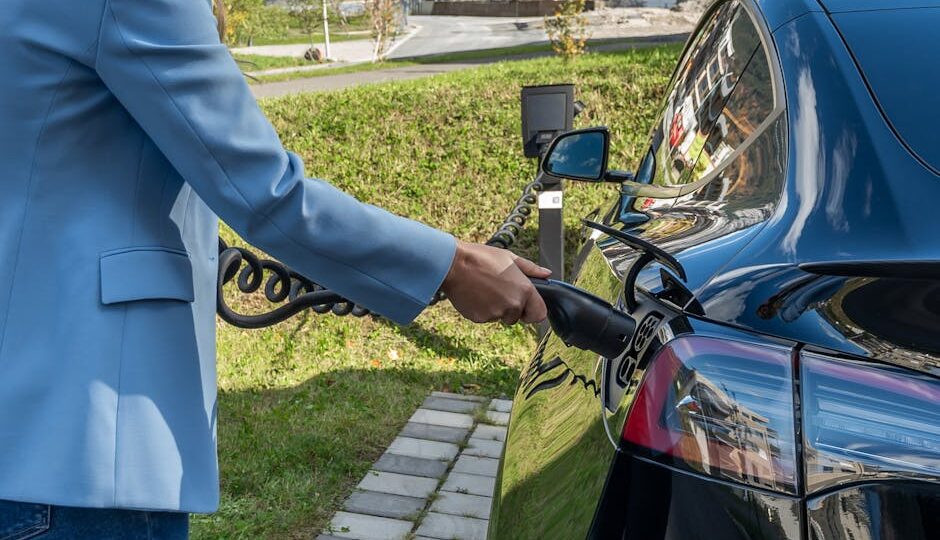
The electric vehicle (EV) revolution is not a distant dream—it’s happening now. By 2027, it is anticipated that EVs will dominate sales in many regions. In Europe, where countries like Norway are already seeing over 80% of new car sales being electric, the trend is expected to solidify across the continent. The United States is catching up, with states like California leading the charge in EV adoption.
Manufacturers are also stepping up their game. Companies like Tesla, which has been a frontrunner in the EV market, are expected to continue innovating. Meanwhile, traditional giants like General Motors and Ford are investing heavily in electric technology, aiming to release dozens of new models by 2027.
Self-Driving Cars: On the Horizon, but Not Mainstream
Autonomous vehicles have been a hot topic for years, and while progress has been made, fully self-driving cars won’t be mainstream by 2027. However, significant advancements in driver-assistance technologies are anticipated. We’ll likely see more vehicles equipped with Level 3 automation, where the car can handle most driving functions but requires human intervention in critical situations.
Cities like San Francisco and Phoenix have been testbeds for autonomous vehicle technology. By 2027, expect more pilot programs and increased public interaction with self-driving shuttles and delivery vehicles. The focus will remain on safety, reliability, and public acceptance.
Connected Cars: Driving the Internet of Things
As the Internet of Things (IoT) continues to expand, connected cars are becoming an integral part of this network. These vehicles, equipped with advanced telematics and connectivity features, promise to enhance the driving experience through real-time data sharing, predictive maintenance alerts, and seamless smartphone integration.
Manufacturers like BMW and Mercedes are leading the charge, offering vehicles that can communicate with smart home devices, traffic systems, and even other cars. By 2027, expect an increase in vehicle-to-everything (V2X) communications, improving traffic flow and safety in urban areas.
Sustainability and Circular Economy in Automotive
Environmental concerns are shaping the future of automotive manufacturing. By 2027, the industry will likely embrace the principles of the circular economy more fully. This means not just focusing on producing electric vehicles, but also on sustainable practices throughout the vehicle lifecycle.
From using recyclable materials to designing cars for easier disassembly and recycling, companies are working towards reducing their carbon footprint. Volvo, for example, has committed to using 25% recycled plastics in its cars by 2025. Expect more brands to follow suit in seeking innovative ways to reuse and recycle automotive components.
Changing Consumer Preferences: The Rise of Car-as-a-Service
The way people view car ownership is evolving. By 2027, the concept of Car-as-a-Service (CaaS) will likely gain traction, particularly in urban centers. With CaaS, consumers can access vehicles on-demand rather than owning them outright, appealing to younger generations who prioritize flexibility and sustainability.
Companies like Zipcar and Turo are already offering car-sharing services, and this trend is set to expand. Automakers are also jumping on board; Toyota and BMW have launched pilot programs to explore subscription and sharing models, catering to the growing demand for mobility solutions over traditional ownership.
The automotive industry in 2027 will be characterized by electrification, connectivity, and a shift in how we use vehicles. As we prepare for these changes, car manufacturers, tech companies, and urban planners must work together to ensure a seamless transition towards a smarter, more sustainable future.
Practical Takeaway: Preparing for the Automotive Future
For consumers, staying informed and flexible will be key. As new technologies emerge, consider your options not just in terms of brand loyalty but in terms of value, technology, and sustainability. For businesses, the future is rife with opportunities. Those who innovate and adapt to these evolving trends will be the ones steering the automotive industry towards a new era of mobility.