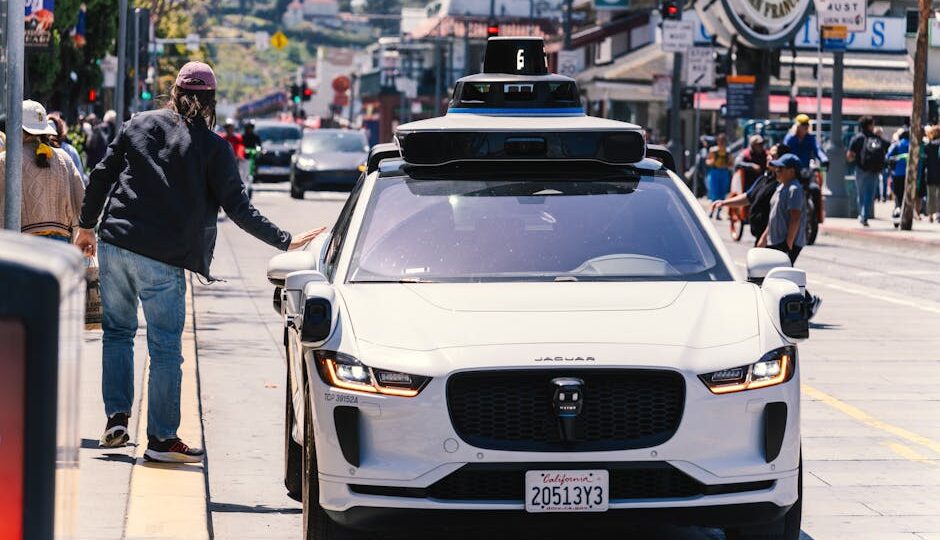
The Rise of Self-Driving Cars
In 2026, self-driving cars are no longer a futuristic concept but a reality cruising on roads across the globe. These autonomous vehicles have evolved with advanced AI systems and a network of sensors that navigate traffic seamlessly. From major cities like San Francisco to the bustling streets of Tokyo, self-driving cars have become an integral part of urban landscapes. But as with any innovative technology, there are both advantages and potential pitfalls to consider.
Advantages of Self-Driving Cars
Enhanced Safety
One of the most significant benefits is their potential to enhance road safety. According to the World Health Organization, approximately 1.3 million people die each year in road traffic crashes. Self-driving cars aim to reduce this number significantly by eliminating human error, which accounts for 94% of these accidents. These vehicles use sophisticated algorithms to process data from their surroundings, react to sudden changes like a pedestrian crossing the street or a vehicle braking unexpectedly, and adhere strictly to traffic rules.
Increased Convenience
Imagine sitting back and relaxing during your daily commute or even being able to work while en route. Self-driving cars offer unparalleled convenience. Services like Waymo and Tesla’s RoboTaxi are already providing autonomous rides to thousands of users. For those who dread driving during rush hours or suffer from long commutes, these cars can transform travel time into productive or leisure time.
Environmental Impact
Many self-driving cars are electric, contributing to reduced pollution and lower greenhouse gas emissions. As cities like Oslo and Stockholm push for greener solutions, the adoption of autonomous electric vehicles is aligned with these environmental goals. Plus, with optimized routing, these cars can reduce energy consumption by avoiding traffic jams and taking the most efficient routes.
Challenges of Self-Driving Cars
High Costs
While the technology has advanced, the cost of owning a self-driving car remains high. The technology embedded in these vehicles, from LiDAR sensors to powerful onboard computers, can make them a costly investment. As of 2026, purchasing a fully autonomous car can set you back anywhere between $80,000 to $150,000, depending on the brand and specifications.
Legal and Ethical Concerns
The legal landscape for self-driving cars is still evolving. Issues such as liability in the event of an accident and regulatory approval for different levels of autonomy remain complex. Moreover, ethical dilemmas, like decision-making in unavoidable accidents, are hotly debated topics. Countries are working towards developing comprehensive frameworks that address these issues, but there’s still a long way to go.
Potential Job Losses
As self-driving technology advances, there’s growing concern over potential job losses in sectors like trucking and delivery services. Automated fleets could replace human drivers, leading to significant shifts in the job market. While some argue that new tech jobs will emerge, the transition may not be smooth for everyone involved.
The Social Impact
Beyond personal advantages and drawbacks, self-driving cars have broader social implications. They promise increased accessibility for those unable to drive, such as the elderly or disabled, enhancing their independence. Furthermore, cities could see a decline in the need for parking spaces, reshaping urban planning and potentially freeing up space for parks or housing.
Looking Forward: Making an Informed Choice
As you weigh the pros and cons of owning a self-driving car in 2026, consider your personal needs, lifestyle, and financial situation. For tech enthusiasts and those seeking convenience and safety, these cars offer an exciting glimpse into the future of transportation. However, it’s important to stay informed about the ongoing developments in this rapidly changing field and consider all factors before making the leap.
The autonomous vehicle market is set to grow, bringing both challenges and opportunities. Whether they will become the norm or remain a luxury for the few will unfold in the years to come. Meanwhile, staying informed and adaptable will be key in navigating this new era of mobility.