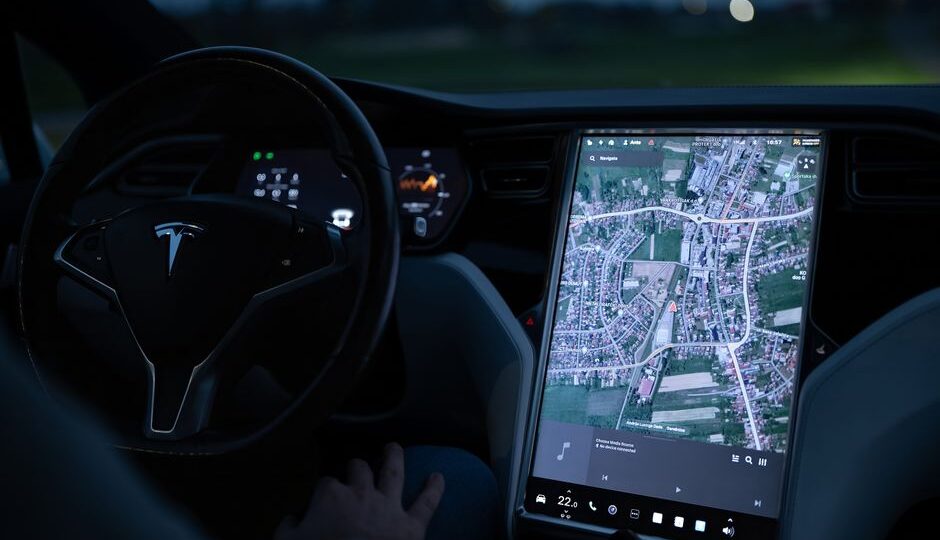
The Transformation of Car Interiors
As we drive further into the future, the interior design of vehicles is undergoing a remarkable transformation. The year 2026 marks a pivotal point where technology, comfort, and sustainability converge to redefine what we expect from a car’s cabin. Gone are the days when interiors were merely functional; today, they are immersive experiences that cater to every sense.
The Rise of Smart Materials
One of the most exciting developments has been the integration of smart materials. These materials can morph and adapt to various needs. Imagine a dashboard that changes texture based on the weather or seats that adjust firmness automatically to optimize comfort during long drives. Companies like Alcantara and Sage Automotive Interiors are leading the charge, pushing the boundaries with materials that are as intelligent as they are stylish.
For example, Mercedes-Benz’s 2026 S-Class features a dashboard made from a smart polymer blend that can shift from matte to gloss with a simple voice command. This not only enhances the aesthetic appeal but also minimizes glare during sunny days.
Personalized Cabin Experiences
Personalization is no longer limited to choosing paint colors or trim levels. In 2026, car interiors are hyper-personalized environments. BMW’s iX7, for instance, allows drivers to create profiles that adjust settings based on their preferences. From ambient lighting hues to seat positions and even the scent of the cabin, every detail can be customized.
With advancements in AI, these systems learn over time. Drive during the morning rush hour? Your car might automatically play your favorite playlist and adjust the climate control to your preferred setting. It’s about creating a seamless integration between driver and machine.
Immersive Infotainment Systems
The infotainment systems of 2026 are nothing short of spectacular. We’re talking about holographic displays, augmented reality overlays on windshields, and voice-activated everything. Audi’s latest Q8 model is equipped with an AR head-up display that projects navigation signals directly onto the road, making missed turns a relic of the past.
These systems are not just for entertainment or navigation. They are becoming vital tools for safety. When integrated with the car’s sensors, they can alert drivers to potential hazards, all while keeping their attention squarely on the road.
Sustainable Luxury
As consumers become more eco-conscious, car manufacturers are responding with interiors that emphasize sustainability without compromising luxury. Brands like Tesla and Rivian are incorporating recycled materials and vegan leathers, appealing to environmentally aware buyers.
Volvo’s XC90, for instance, uses textiles made from recycled ocean plastics, setting a standard for others to follow. This shift not only reduces the environmental impact but also aligns with the growing demand for ethically produced products.
Connectivity and the Smart Hub
Lastly, the car interior of 2026 serves as a smart hub, seamlessly connecting with other devices. Whether it’s sending a calendar reminder or adjusting your home’s thermostat before you arrive, the integration is flawless. With 5G networks now commonplace, connectivity issues are a thing of the past, enabling real-time updates and access to a plethora of cloud-based services.
Companies like Ford are pioneering this space with their Sync Connect system, which allows for over-the-air updates and integrates with smart home devices, making your car an extension of your digital life.
Practical Takeaway
As we move through 2026, the evolution of car interiors is reshaping the driving experience. It’s not just about getting from point A to B anymore; it’s about enjoying every moment in between with intuitive, personalized, and sustainable design. Whether you’re in the market for a new car or just curious about the future of automotive design, keep an eye on these trends as they pave the way for a smarter, more connected world inside our vehicles.