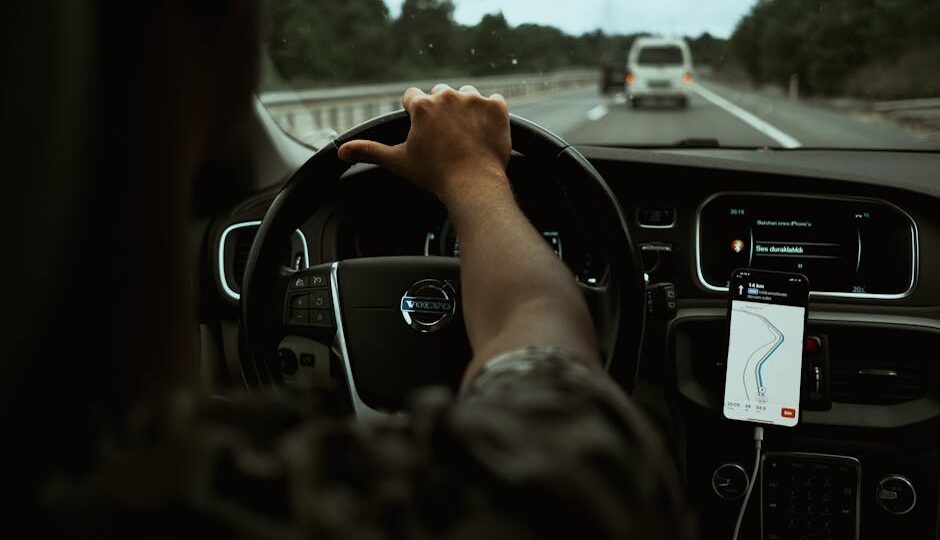
Understanding the Cost of Car Ownership
Owning a car has always been seen as a rite of passage, a symbol of independence and mobility. But, as we rev up into 2026, the financial burden of personal vehicle ownership has become increasingly daunting. Beyond the initial purchase price, car owners must contend with a slew of ongoing expenses. According to recent statistics, the average annual cost of owning a vehicle in the United States now hovers around $10,000. This includes fuel, maintenance, insurance, registration fees, and depreciation, among others. It’s no wonder that many are considering alternatives like car sharing to cut down on costs.
How Car Sharing Works
Car sharing is a flexible service that allows individuals to rent vehicles for short periods, often by the hour. Unlike traditional car rentals that cater to travelers, car sharing is designed for local, everyday use. Companies like Zipcar, Turo, and Getaround have pioneered this service, making it as simple as booking a ride through an app. Once you sign up, you can reserve a car, unlock it with your smartphone, and drive off—paying only for the time and distance you use. This model offers a stark contrast to the fixed costs associated with owning a car.
Figures that Make You Think: Cost Savings
The financial implications of switching to car sharing can be substantial. Let’s break it down: say you live in Chicago and drive 10,000 miles annually. If you’re paying an average of $0.58 per mile when factoring in all the costs of car ownership, that’s $5,800 a year just to keep your car on the road. By contrast, using a car-sharing service could cost you as little as $200 per month if you only drive as needed. That comes out to $2,400 a year—a $3,400 saving! And that’s just one example. For those who commute via public transportation or work remotely, the savings can be even greater.
The Environmental Edge
Beyond the wallet, car sharing has notable environmental benefits. By reducing the number of vehicles on the road, it decreases emissions and the need for parking spaces, which in turn reduces urban sprawl. A study by the University of California found that each shared car can replace up to 13 private cars. This means fewer vehicles being produced, less congestion, and a smaller carbon footprint overall. As cities like Portland and Austin become increasingly eco-conscious, car sharing aligns with broader sustainability goals, making it a socially responsible choice.
Convenience and Flexibility
Car sharing also offers unparalleled convenience and flexibility. Forget about paying for parking, worrying about maintenance schedules, or fearing unexpected repair bills. With car sharing, you have access to a wide range of vehicles at your fingertips, from compact cars for quick errands to spacious SUVs for weekend getaways. For urban dwellers in cities like New York or San Francisco, where parking is scarce and public transportation is robust, car sharing provides the perfect complement to a car-free lifestyle.
Practical Takeaway
As the financial and environmental pressures of car ownership continue to climb, car sharing presents itself as a viable, cost-effective alternative. By trading in the keys to your personal vehicle for the flexibility of a shared fleet, you could potentially save thousands each year, reduce your environmental impact, and enjoy the freedom of driving without the associated burdens. Before you sign your next car loan agreement, consider how car sharing could fit into your lifestyle. It might just be the shift you need.