How to Retrofit Classic Cars with Modern Technology
In 2026, the allure of classic cars remains as strong as ever. These beauties from the past exude an unmatched charisma that modern cars often lack. Yet, while their charm is undeniable, the technology under the hood can sometimes leave much to be desired. If you’re a classic car enthusiast looking to enjoy the best of both worlds, retrofitting your vintage vehicle with modern technology might be the perfect solution.
Understanding the Balance: Preservation vs. Innovation
Retrofitting a classic car is not just about stuffing the latest gadgets into an old frame. It’s about finding that sweet spot between maintaining the original character of the vehicle and incorporating advancements that enhance performance, safety, and comfort. For instance, while an original 1965 Ford Mustang has a heart-pounding rawness, it can benefit from the efficiency of a modern fuel injection system.
Where to Start: Assessing Your Classic
Before diving into the retrofit process, it’s crucial to assess the condition and value of your classic car. Some vehicles, like a pristine 1962 Ferrari 250 GTO, should remain untouched to preserve their historical integrity and value. Others, however, such as a more common 1960s Chevrolet Impala, can be perfect candidates for modernization. Evaluate which parts of your car need updating. Is it the engine, the brakes, or perhaps the electrical system?
Modern Powertrains: Upgrading Performance
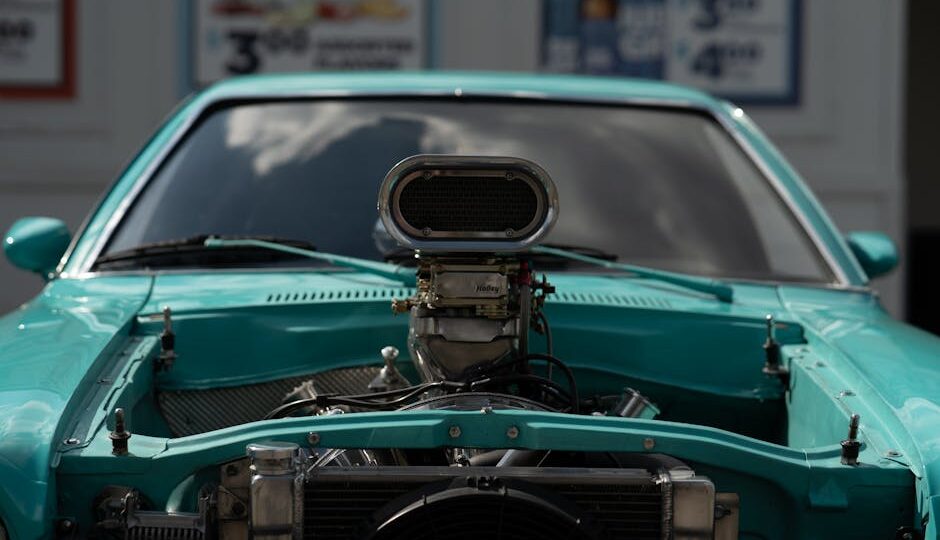
A common area for updates is the powertrain. Many classic cars benefit from an engine swap, replacing the old engine with a modern, more efficient one. This not only enhances performance but often improves fuel efficiency as well. Consider a crate engine from brands like Chevrolet’s LS series or Ford’s Coyote engines; these offer a plug-and-play experience with significant power gains.
Moreover, transmissions have come a long way. Swapping an old 3-speed with a modern 5 or 6-speed gearbox can drastically improve drivability, especially on highways. Companies like Tremec provide robust solutions that fit into many classic frames with minimal modifications.
Safety First: Brakes and Suspension
Safety should never be compromised, even in a classic car. Upgrading to modern disc brakes is a common and essential modification. Kits are available for most classic models, providing better stopping power and reliability. For instance, Wilwood and Brembo offer conversions tailored for a variety of vintage vehicles.
Don’t overlook the suspension. The original may have been cutting-edge at the time, but today’s technology offers superior handling and comfort. Consider a coilover conversion kit or a modernized leaf spring setup to enhance your ride quality and safety.
Electronics and Comfort: Infotainment and Climate Control
While many purists might cringe at the idea of a digital screen in a classic dashboard, the convenience of modern electronics is hard to ignore. Retrofitting an infotainment system that includes navigation, smartphone connectivity, and a high-quality audio setup can significantly enhance usability without detracting from the vintage look, thanks to custom solutions that blend seamlessly with the original design.
Upgrading to modern climate control is another worthwhile investment. Vintage air systems can be installed to provide effective heating and cooling, ensuring your classic car is comfortable in any weather.
Finding the Right Specialist
Retrofitting a classic car with modern technology is not a DIY project for the faint of heart. It requires specialized knowledge and skills. Research and choose a professional who has a portfolio of successful projects. Places like Kindig-It Design in Salt Lake City or Icon in Los Angeles are renowned for their expertise in marrying old aesthetics with cutting-edge technology. Their work often involves custom fabrication to ensure each retrofit not only fits the car but also complements its timeless beauty.
Practical Takeaway
Retrofitting a classic car with modern technology is a rewarding endeavor that enhances the functionality and enjoyment of your vehicle without sacrificing its intrinsic charm. With careful planning and skilled execution, you can create a classic car that offers the best of both worlds—timeless style with modern reliability. Whether you’re navigating the streets of Brooklyn or cruising the Pacific Coast Highway, your upgraded classic will undoubtedly turn heads and spark conversations.