Why the Rise of Shared Mobility Services Will Change Urban Transportation
As we progress through 2026, shared mobility services are weaving themselves into the fabric of urban life. The days of owning a car as a necessity are fading, and in their place, a dynamic network of shared rides, bikes, and scooters is emerging. This seismic shift promises to reshape how cities function and how we navigate them.
The Evolution of Shared Mobility
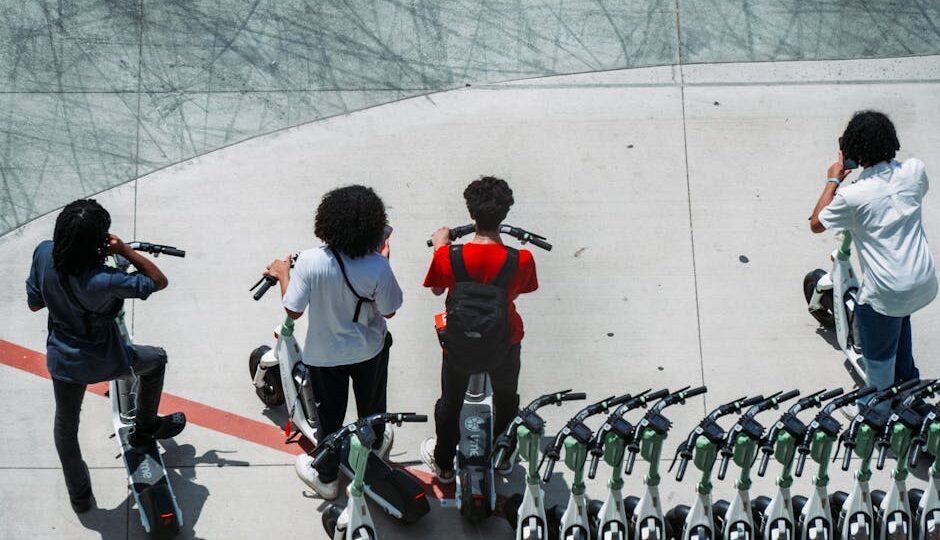
Shared mobility services began as a niche solution for urban commuting but have rapidly transformed into a mainstream mode of transportation. Companies like Uber and Lyft laid the groundwork with ride-hailing apps, but the landscape has become significantly more diverse. With the introduction of car-sharing platforms like Zipcar and innovative bike-share services such as Lime and Bird, city dwellers are now spoilt for choice. In 2025 alone, these services saw a 35% increase in global users, marking a pivotal change in transportation preferences.
Environmental Impact: A Breath of Fresh Air
One of the most compelling reasons for the surge in shared mobility services is their potential to reduce urban pollution. With over 60% of the world’s population living in cities, the reduction of individual car ownership can lead to fewer vehicles on the road, translating to a significant decrease in carbon emissions and air pollution. A study from the University of California in 2024 found that cities with robust shared mobility infrastructure had 25% fewer emissions compared to those relying heavily on private car ownership.
Cost-Effective Commuting
For many urban residents, owning a car is an expensive endeavor. Between loans, insurance, maintenance, and fuel, the costs can stack up quickly. Shared mobility services offer a cost-effective alternative, allowing users to pay only for the trips they need without the overhead of ownership. In New York City, for instance, the average car owner spends around $10,000 annually, while a frequent user of shared mobility services can expect to pay less than a third of that amount.
Technological Integration and User Experience
Technology has played a crucial role in the expansion of shared mobility services. The integration of AI and machine learning into app interfaces has streamlined the user experience, making it easier than ever to locate and access a ride. Features such as predictive analytics and real-time tracking ensure that users can plan their journeys with precision and confidence. Additionally, initiatives like Ford’s Data-Driven Insights allow cities to optimize traffic flow and reduce congestion by analyzing data from shared mobility services.
Challenges and Opportunities
Despite their many advantages, shared mobility services are not without challenges. Regulatory issues, competition for curb space, and concerns about data privacy remain significant hurdles. Cities like San Francisco have implemented pilot programs to manage curb space efficiently, aiming to balance the surge in shared mobility vehicles with the needs of traditional traffic.
On the flip side, these challenges present opportunities for innovation. Companies are investing in electric and autonomous vehicles to meet demand sustainably and efficiently. Furthermore, collaborations between cities and mobility providers are fostering environments where public transport can be seamlessly integrated with shared services, enhancing the accessibility and convenience of urban transit.
Urban Design and Infrastructure
The rise of shared mobility is also influencing urban planning and infrastructure design. Cities are reimagining their layouts to accommodate a future less reliant on personal vehicles. Dedicated lanes for scooters and bikes, charging stations for electric vehicles, and strategically placed docking stations are becoming common sights. Paris, for instance, has invested heavily in expanding its network of cycling paths, which grew by 30% between 2023 and 2025, encouraging more residents to embrace shared cycling options.
Practical Takeaway: The rise of shared mobility services is more than just a trend; it’s a fundamental shift in how we perceive transportation. By embracing these changes, cities have the opportunity to become cleaner, more efficient, and more livable spaces. For urban dwellers, the choices we make today regarding transportation could lead to a brighter, more sustainable future.