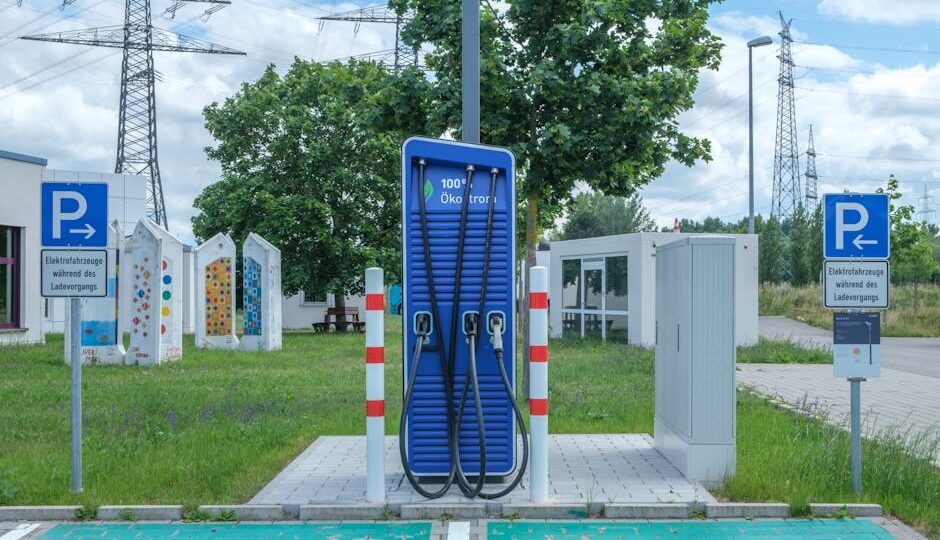
Introduction to Electric Vehicle Charging
Electric vehicles (EVs) have become an integral part of the automotive landscape in 2026. As more people transition to EVs, understanding how to charge them efficiently and conveniently is crucial. Whether you’re new to the world of EVs or just need a refresher, this guide will walk you through everything you need to know about charging your electric car.
The Types of Electric Vehicle Chargers
Not all EV chargers are created equal. They vary by speed, power level, and compatibility with different car models. Here’s a breakdown of the main types:
- Level 1 Chargers: These are the most basic chargers and typically come with your vehicle. They plug into a standard 120-volt outlet, which means they can be used almost anywhere. However, the trade-off is speed. Level 1 chargers add about 2 to 5 miles of range per hour, making them best suited for overnight charging at home.
- Level 2 Chargers: Offering a significant upgrade in charging speed, Level 2 chargers require a 240-volt outlet, similar to what is used for large appliances like dryers. They can deliver 10 to 60 miles of range per hour, depending on the charger and vehicle. Many public charging stations and home installations use Level 2 chargers.
- DC Fast Chargers: For those in a hurry, DC fast chargers are the way to go. Found at dedicated charging stations, these powerful chargers can provide 60 to 200 miles of range in just 20 to 30 minutes. They’re ideal for long road trips or when you need a quick top-up.
Understanding Charging Networks
Just like fuel stations for gasoline cars, EVs rely on a network of charging stations. In 2026, the charging network landscape is more robust and user-friendly than ever. The major networks you should know about include:
- Tesla Supercharger Network: Exclusive to Tesla vehicles, this network offers rapid charging across North America, Europe, and parts of Asia. Superchargers are strategically located to facilitate long-distance travel.
- Electrify America: A vast network available to all EVs, Electrify America offers a mix of Level 2 and DC fast chargers. They have installed over 5,000 charging stations across the United States, focusing on high-traffic areas and interstate corridors.
- ChargePoint: One of the largest open networks, ChargePoint provides thousands of charging spots globally. Their network is user-friendly and integrates with most EVs and home systems.
How to Charge Your Electric Vehicle
Charging an EV might seem daunting, but it’s quite straightforward once you get the hang of it. Here’s a step-by-step process:
- Locate a Charging Station: Use your vehicle’s navigation system or a smartphone app to find nearby charging stations. Apps like PlugShare and A Better Routeplanner can provide real-time availability and pricing information.
- Connect the Charger: Once you arrive, park your car and connect the charging cable to your vehicle’s charging port. Ensure it’s securely plugged in before initiating the charge.
- Start Charging: Many public stations require an account or payment method. Follow the on-screen instructions or use a connected app to start the charging process.
- Monitor the Charge: Keep an eye on your vehicle’s charging status through its own display or the charging station’s interface. Most EVs will notify you when charging is complete or when a specified range is achieved.
Factors That Affect Charging Time
Charging speed can vary based on several factors. Understanding these can help optimize your charging experience:
- Battery Size: Larger batteries will naturally take longer to charge, though they can also travel farther on a single charge.
- State of Charge (SoC): Charging from 0% to 80% is often quicker than charging from 80% to 100% due to the way batteries taper off charging speed as they approach full capacity to prevent overheating and extend battery life.
- Ambient Temperature: Extremely hot or cold temperatures can affect charging efficiency. It’s advised to charge in moderate conditions when possible.
Practical Takeaway
Understanding the ins and outs of EV charging is key to maximizing the benefits of your electric vehicle. Whether at home or on the go, knowing your charging options and how to efficiently use them will ensure a smooth and enjoyable EV experience. As infrastructure continues to improve, the convenience of driving electric will only increase, making the transition to EVs more appealing than ever.