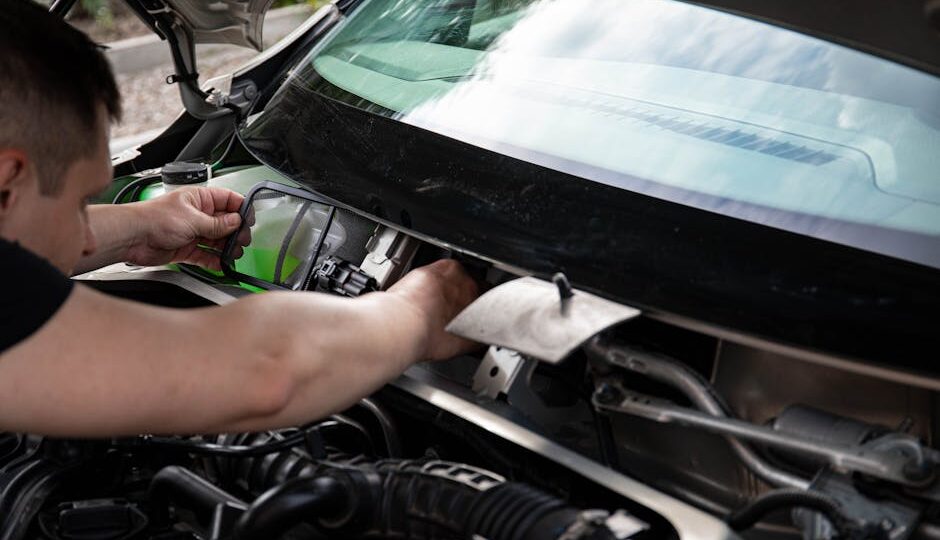
Electric vehicles (EVs) have evolved significantly over the last few years, becoming a staple on our roads. By 2026, they are not just an eco-friendly alternative but a practical choice for many. However, while EVs are known for their low maintenance compared to their internal combustion counterparts, they still require some tender loving care to keep them running smoothly. Here’s your comprehensive guide to maintaining your electric vehicle.
Understanding Your EV’s Battery
The battery is the heart of your electric vehicle. Unlike traditional vehicles, where the engine is the main component, the battery pack in an EV is crucial to its function and longevity. Modern EV batteries, typically lithium-ion, can last anywhere from 8 to 15 years, depending on use and technology advancements. Brands like Tesla and Nissan have been at the forefront, offering warranties that cover up to 150,000 miles or eight years.
Temperature Management: Batteries thrive in moderate climates. Extreme temperatures, both hot and cold, can impact performance and longevity. Many EVs, like the Hyundai Ioniq 5, come equipped with thermal management systems. It’s essential to use these systems, especially in areas with extreme weather conditions such as Phoenix, Arizona, or Minneapolis, Minnesota.
Charging Habits: Frequent fast charging can reduce battery life. For optimal battery health, it’s best to use a Level 2 home charger and limit fast charging to when you’re on long trips. Aim to keep your battery charge between 20% and 80%.
Regular Software Updates
Think of your EV as a computer on wheels. Regular software updates are crucial, not just for adding new features but also for maintaining the vehicle’s overall health. Manufacturers like Tesla frequently roll out updates that can significantly enhance range and performance overnight. Regularly check your vehicle’s infotainment system or app for available updates.
Brake System Maintenance
EVs use regenerative braking systems, which convert kinetic energy back into stored energy in the battery. This means less wear on brake pads, extending their lifespan significantly. However, this doesn’t mean you should ignore them. Regularly check your brakes for any signs of wear or unusual noises. Living in urban areas with heavy traffic like New York City or Los Angeles means more frequent stops, so be vigilant.
Tire Care and Rotation
Tires are the only part of your vehicle that touch the ground, making their maintenance crucial. EVs tend to be heavier due to the battery packs, which puts additional stress on tires. Brands like Michelin and Continental have designed tires specifically for EVs, emphasizing durability and energy efficiency.
Pressure Checks: Check your tire pressure regularly, as incorrect pressure can affect range and performance. The recommended pressure can usually be found on a sticker in the driver’s side door jamb.
Regular Rotation: Rotate your tires every 5,000 to 7,000 miles to ensure even wear. This is especially important if you mostly drive on highways, as the consistent speed can lead to uneven tire wear.
Interior and Exterior Care
While the mechanical components of EVs are cutting-edge, the aesthetics matter too. Keeping the interior and exterior in good condition not only makes your vehicle pleasant to drive but can also maintain its resale value.
Cleaning the Interior: Use eco-friendly cleaning products to wipe down surfaces. The upholstery, whether it’s vegan leather as seen in Polestar models or fabric, should be vacuumed and cleaned regularly to prevent wear.
Exterior Maintenance: Regular washing and waxing can protect the paint from harsh elements, especially in coastal areas like Miami or San Francisco where salt can be a concern.
The Practical Takeaway
Maintaining your electric vehicle requires attention to its unique components and some proactive care habits. By focusing on battery health, staying updated with software, looking after your brakes and tires, and caring for its appearance, you can ensure your EV remains efficient and enjoyable to drive. The world of electric vehicles is advancing rapidly, making maintenance easier and more intuitive with each new model.