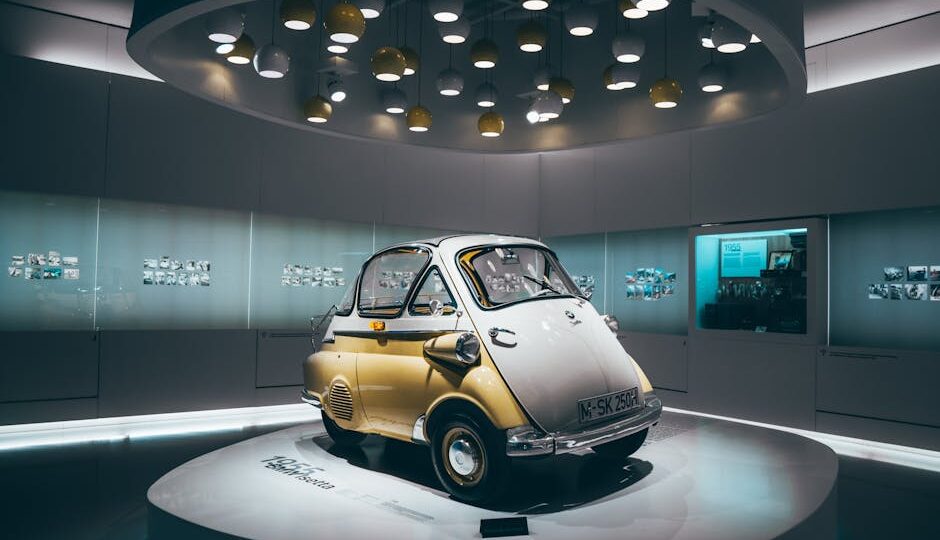
Microcars: The Urban Revolution
As cities around the world grapple with congestion and pollution, a new player is emerging on the automotive scene: the microcar. These diminutive vehicles are redefining what it means to get around in urban environments. In 2026, microcars are not just a niche novelty; they are becoming a practical solution for city dwellers.
Microcars are typically defined by their compact size, often measuring less than 10 feet in length. This makes them ideally suited for city driving, where parking space is at a premium. With urban populations continuing to swell, these pint-sized vehicles offer an appealing alternative to traditional cars, especially in densely populated areas.
Why Microcars Are Gaining Popularity
The trend towards microcars can be attributed to several factors. First, they are incredibly easy to park. In a city like New York, where finding a parking spot can feel like winning the lottery, the ability to slip into the tiniest of spaces is a game-changer. Moreover, many cities are implementing parking incentives for smaller vehicles, making microcars even more attractive.
Fuel efficiency is another major draw. With many microcars boasting upwards of 60 miles per gallon, they are a boon for both the wallet and the environment. Additionally, as more manufacturers incorporate electric powertrains, these vehicles are becoming even more sustainable.
Top Microcar Models of 2026
- Smart EQ ForTwo: This veteran of the microcar scene continues to impress with its zero-emissions powertrain and agile handling.
- Fiat 500 Electric: Combining retro-chic design with modern electric efficiency, the Fiat 500 remains a top choice.
- Citroën Ami: With its quirky design and affordable price point, the Ami is perfect for the eco-conscious urbanite.
- Renault Twizy: This unique electric vehicle is perfect for zipping through city streets with its compact frame and futuristic design.
Challenges Facing Microcars
Despite their advantages, microcars are not without challenges. Safety concerns are paramount, as these small vehicles must meet stringent crash-test standards to ensure occupant protection. While manufacturers have made significant strides in this area, potential buyers still weigh size against safety.
Furthermore, the limited cargo space can be a dealbreaker for some. While microcars excel in urban environments, they might not be the best choice for those needing to transport large items or accommodate numerous passengers.
The Future of Microcars
The future looks bright for microcars as they evolve to meet the demands of urban living. Innovations in autonomous driving technology and battery efficiency are on the horizon, promising to make these small vehicles even more appealing.
Urban planners and policymakers are also recognizing the benefits of microcars, as they help alleviate traffic congestion and reduce emissions. Incentives for purchasing such vehicles, combined with dedicated microcar lanes and parking zones, could further boost their adoption.
A Practical Takeaway
If you live in a bustling city and are tired of battling traffic and searching for parking, a microcar might be the perfect solution. With their compact size, impressive fuel efficiency, and growing technological advancements, microcars offer a smart choice for urban mobility in 2026. As cities continue to adapt to the demands of growing populations, these vehicles are poised to play a crucial role in shaping the future of transportation.