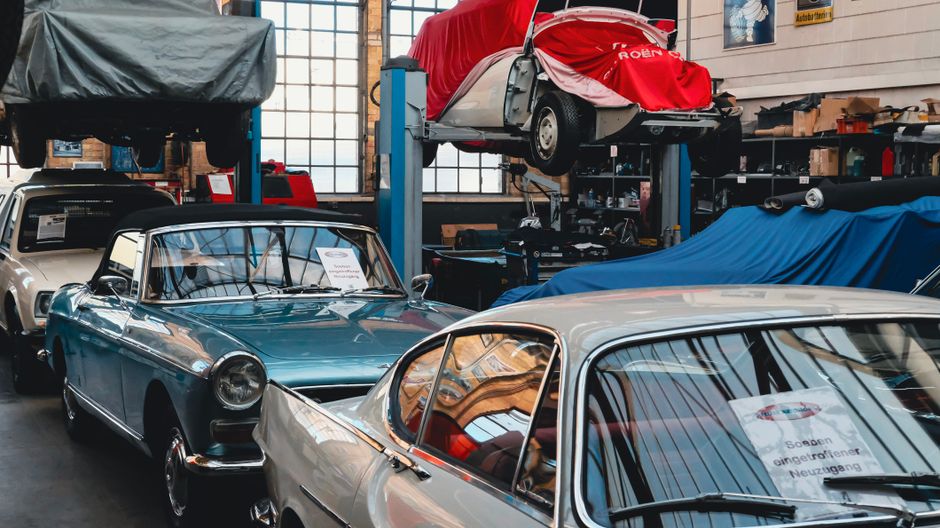
The Allure of Nostalgia
In a world where technology drives the automotive industry at breakneck speed, the resurgence of classic cars is not just a blip on the radar—it’s a full-blown revival. This might sound like a paradox, considering the pace at which electric vehicles and AI-driven cars are advancing. However, the love for the vintage aesthetic and the simplistic mechanics of classic cars is thriving in 2026, and there’s a deeper reason behind this trend.
As we grow more embedded in the digital realm, the tactile pleasure of driving a classic car offers a refreshing escape. Enthusiasts often speak about the sheer joy of handling a vehicle that communicates through its controls, unlike the muted feedback of modern cars. It’s a reminder of the golden age of motoring, where each ride felt like an adventure.
The Role of Modern Technology
While the heart of a classic car remains its old-school charm, modern technology is playing a crucial role in their revival. Restomods—restorations with modern modifications—are all the rage. Imagine a 1967 Mustang with an electric powertrain, delivering the same torque without the fumes. This blend of old and new not only preserves the aesthetics but also makes these cars more eco-friendly and reliable.
Advanced materials and 3D printing are also aiding the restoration process, making it easier and more affordable to find parts that were once scarce. This tech-driven accessibility means more enthusiasts can embark on the journey of classic car restoration, fueling the trend even further.
Classic Car Communities and Events
The community aspect of owning a classic car cannot be overstated. In 2026, classic car clubs and events are witnessing record participation. Events like the Goodwood Revival in England and the Pebble Beach Concours d’Elegance in California are more than just gatherings—they’re celebrations of automotive history.
These events offer a rich tapestry of stories, connecting generations of car lovers. For many, it’s the camaraderie that enhances the ownership experience, making it about more than just the car itself. It’s about belonging to a community that values tradition and craftsmanship.
The Investment Angle
From an investment perspective, classic cars are increasingly seen as viable assets. In 2026, the market for these vehicles has shown resilience, with certain models appreciating in value significantly. Cars like the Aston Martin DB5 or the Jaguar E-Type are not just collector’s items—they’re investment portfolios on wheels.
With limited production numbers and growing interest, the allure of owning a piece of history that could potentially increase in value makes classic cars an attractive proposition for investors, both seasoned and new.
The Future of Classic Cars in 2026 and Beyond
As we look ahead, the future of classic cars seems secure, not least because of the emotional connections they foster. While autonomous and electric vehicles will continue to dominate the new car market, there’s a burgeoning niche for classic cars that provides balance—a nod to where we’ve come from, even as we speed toward tomorrow.
For many, this isn’t just about driving a car; it’s about experiencing a piece of history that feels alive and visceral beneath the fingertips. It’s about the soulful hum of an engine that speaks volumes where silence now reigns supreme. As long as there are drivers who crave this connection, the classic car will never truly fade.
Practical Takeaway: If you’re considering diving into the world of classic cars, now is the time. Whether you’re in it for the pure joy of driving, the sense of community, or the investment potential, there’s never been a better time to explore what the past has to offer the future.