The Journey of a Car: From Concept to Reality
The world of car manufacturing has seen a whirlwind of change by 2026. Imagine this: car models being transformed from mere steel sheets to dazzling machines with breathtaking precision. This evolution is not just about the final product but the journey it takes from concept to reality. Let’s dissect how the industry has adapted and innovated over the years.
Embracing Green Manufacturing
Environmental consciousness has been at the forefront of manufacturing innovations. Most car factories now operate on renewable energy sources, significantly reducing their carbon footprint. In places like Stuttgart, Germany, the heart of automotive manufacturing, factories are adorned with solar panels and wind turbines. BMW’s Leipzig plant, for instance, has cut its CO2 emissions by 80% since 2020. Such green initiatives not only benefit the environment but also appeal to the eco-conscious buyer. As carmakers shift towards sustainable practices, the industry is not just building cars—it’s building a greener future.
The Role of Artificial Intelligence and Robotics
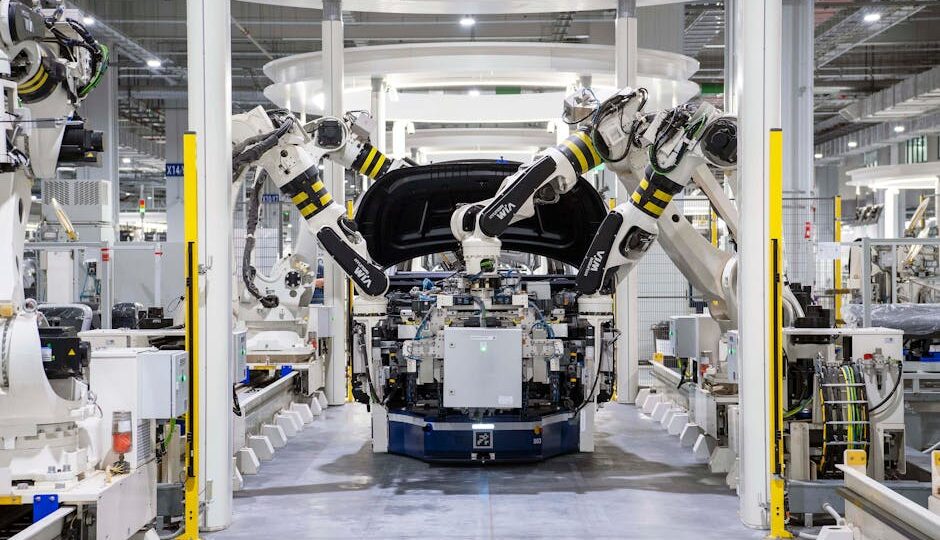
Robots have been a staple in car manufacturing for decades, but their evolution is remarkable. The integration of AI has transformed these machines from simple task executors to intelligent assistants capable of self-learning and adapting. Take Tesla’s Gigafactory in Texas, where AI-driven robots are integral to the production line, performing tasks from welding to quality inspections with unmatched precision. This tech marvel doesn’t just streamline production—it ensures a level of quality control that was previously unachievable.
3D Printing and Customization
Customization has become the name of the game in car manufacturing. Consumers today crave uniqueness, and 3D printing has risen to the challenge. This technology allows for the production of bespoke components tailored to individual preferences. Automotive giants like Ford are using 3D printing to offer customers personalized car parts, from dashboards to mirrors. This innovation not only caters to individual tastes but also accelerates the prototyping phase, allowing for rapid adjustments and experimentation.
The Rise of Digital Twins
Before a car even hits the assembly line, its digital counterpart—a digital twin—is already in full swing. These virtual models simulate the entire manufacturing process, identifying potential issues and enhancing efficiency. Audi’s Ingolstadt plant has taken this a step further, using digital twins to optimize every stage of production, from design to assembly. This digital advancement not only reduces errors but also saves significant time and resources, making production smoother and more cost-effective.
Global Collaboration and Supply Chain Resilience
The COVID-19 pandemic of the early 2020s exposed weaknesses in global supply chains, prompting a reevaluation of sourcing strategies. Car manufacturers have since adopted a more resilient approach, diversifying their supplier base and embracing local sourcing. For instance, Toyota’s factory in Kentucky has increased its local component sourcing by 45%, reducing dependency on distant suppliers. This shift not only fosters local economies but also ensures a steadier supply chain, mitigating risks of disruption.
What This Means for You
So, what does all this mean for the average car buyer or enthusiast? Simply put, cars are becoming more personalized, reliable, and environmentally friendly. The innovations in manufacturing have led to a new era where quality and customization are paramount. Whether you’re in the market for a new vehicle or simply passionate about automotive technology, understanding these advancements allows you to appreciate the hard work and ingenuity that goes into every car on the road today.
These strides in manufacturing are not just about making cars—they’re about paving the road to a sustainable, high-tech future. As you consider your next vehicle, remember the cutting-edge technology and sustainable practices that started well before it reached your driveway.