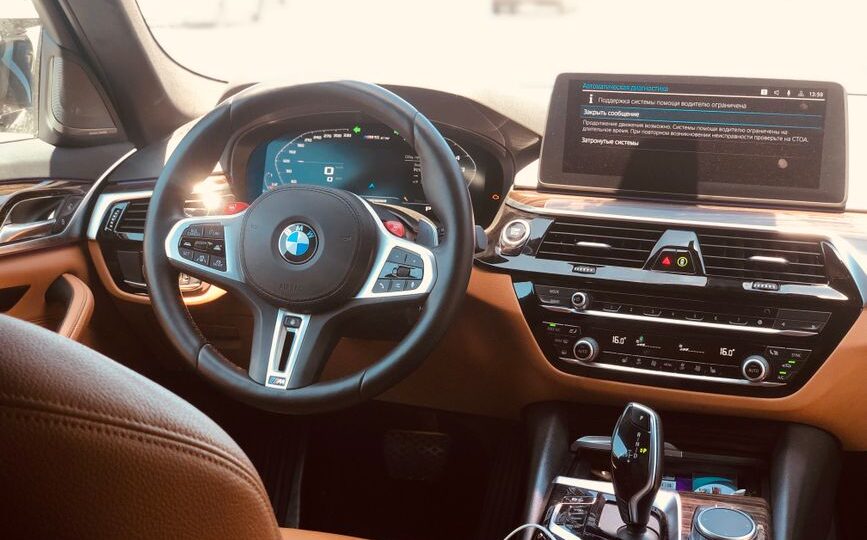
As the world of automotive technology zooms forward, one of the most exciting developments is the rapid evolution of car infotainment systems. These smart hubs have transformed from clunky, static screens into sophisticated, intuitive interfaces that are changing the way we interact with our vehicles. With 2026 bringing even more advancements in connectivity, AI integration, and user-centric design, let’s look at how infotainment systems are steering us into the future.
AI-Driven Personalization: Meet Your Vehicle Assistant
The days of generic dashboards are numbered. In 2026, car infotainment systems are more personalized than ever, thanks to AI and machine learning. These systems learn driver preferences over time—adjusting climate controls, suggesting routes based on traffic patterns, or even playing your favorite playlist when you hit the road. It’s like having a personal assistant who knows your quirks and habits, streamlining your driving experience.
Imagine driving your Tesla Model Z and the system suggests a nearby coffee shop based on your regular stops or the time of day. This level of customization extends not just to navigation but also to entertainment and vehicle settings, making every journey uniquely yours.
Seamless Connectivity: The Cloud-Driven Car
Connectivity is no longer a mere feature—it’s an expectation. Modern infotainment systems leverage cloud technology to provide real-time updates and services. Whether it’s accessing the latest maps, real-time traffic data, or streaming music without interruption, your car’s infotainment system ensures you’re always connected.
Automakers like BMW and Mercedes-Benz have been pioneers in this space, offering over-the-air updates that keep your car’s software fresh without the need for service visits. This means your car not only stays current with the latest tech but can also improve over time, adding new features and enhancing performance.
Voice Control: A Safer Way to Drive
With a growing focus on reducing driver distraction, voice control has become a critical component of modern infotainment systems. In 2026, voice recognition technology has reached new heights, enabling drivers to interact with their vehicle’s systems without taking their hands off the wheel or eyes off the road.
Models like the Ford Mustang Mach-E feature advanced voice assistants that can understand natural language, making it easier than ever to control navigation, adjust climate settings, or simply send a text message. This innovation is particularly beneficial for long commutes or city driving, where distractions are numerous and safety is paramount.
Augmented Reality: The Future of Navigation
Augmented Reality (AR) is revolutionizing how we navigate our world. Infotainment systems in 2026 are incorporating AR to overlay navigation instructions directly onto the road ahead. This technology provides an immersive driving experience, guiding you with arrows and highlights that appear in your line of sight.
For instance, Audi’s latest A8 model comes equipped with an AR windshield display that illustrates the exact lane to stay in or which street to turn onto next. This not only enhances the convenience of navigation but also significantly boosts safety by minimizing the need to glance at a dashboard screen.
Entertainment on Wheels: A Mobile Media Hub
As autonomous driving technology progresses, cars are becoming more than just a means of transportation—they’re turning into mobile entertainment centers. Infotainment systems now support a wide array of entertainment options, from streaming movies to gaming, turning long trips into enjoyable experiences for passengers.
The new Volvo XC90 has pioneered this trend with its rear-seat entertainment system that allows passengers to stream content directly from services like Netflix or Disney+. This shift not only makes drives more pleasurable but is also paving the way for future innovations in autonomous vehicle entertainment.
Practical Takeaway: The evolution of car infotainment systems in 2026 is all about integration, personalization, and safety. As these systems become smarter and more connected, they’re set to redefine how we interact with our vehicles, making every journey more enjoyable and efficient. Whether you’re in the market for a new car or looking to upgrade your current system, these cutting-edge developments are something to keep an eye on.