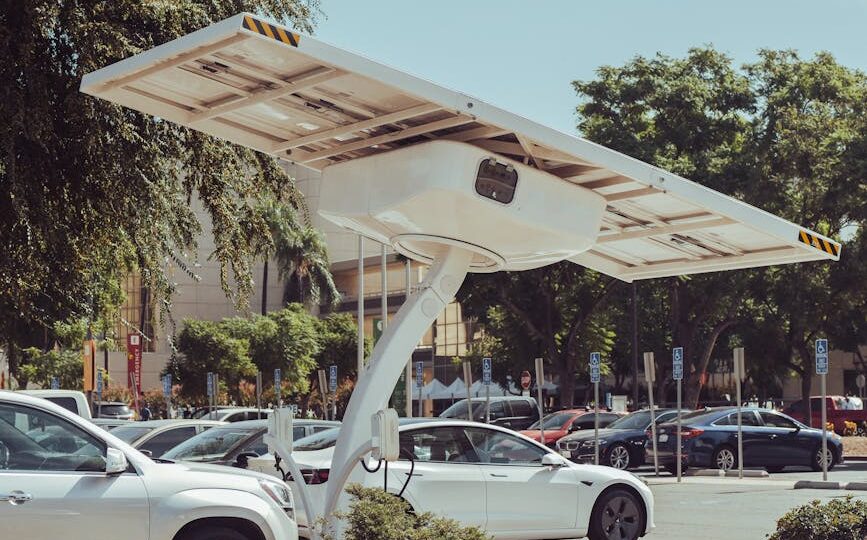
A Glimpse into the Future: Solar-Powered Vehicles
As we venture deeper into 2026, solar-powered cars are becoming more than just an experimental novelty. These vehicles, once considered a moonshot in the automotive world, are now hitting the roads in increasing numbers, blending cutting-edge technology with sustainable energy solutions. As global environmental concerns reach a crescendo, the push for renewable energy sources in transportation is more pertinent than ever. But what exactly makes solar-powered cars tick, and are we truly ready for this sun-driven revolution?
Breaking Down the Technology: How Do Solar Cars Work?
At the heart of solar-powered vehicles lies photovoltaic cells, similar to those used in home solar panels. These cells convert sunlight directly into electricity, which is then used to charge the vehicle’s battery or drive the motor directly. Companies like Lightyear and Sono Motors have been at the forefront, introducing models like the Lightyear 3 and the Sono Sion, which seamlessly integrate solar panels into their sleek designs.
Beyond just a flashy tech upgrade, solar power provides a potential safety net for electric vehicles (EVs) by extending their range, especially in sunny regions. Imagine your car charging itself while parked at the beach or commuting on a sunny day — sounds like a dream, right?
The Challenges: Clouds on the Horizon
Despite the promising advances, solar-powered cars face significant hurdles. The primary challenge is efficiency. Current solar technology is limited by its conversion efficiency, meaning only a fraction of sunlight is turned into electricity. This limitation affects how much energy can be stored or used at any given time, posing a challenge for long-distance travel without significant battery support.
Additionally, the initial costs of solar cars remain high. While prices have been gradually decreasing due to technological advancements and increased production, they still present a barrier for the average consumer. Furthermore, geographic and weather conditions can dramatically affect the performance of these vehicles, making them less viable in areas with limited sunlight.
Global Adoption: Who’s Leading the Charge?
The push for solar-powered cars varies globally, with some regions embracing the technology more rapidly than others. Countries like the Netherlands and Australia, with their ample sunlight and supportive policies, have seen a surge in solar vehicle adoption. The European Union’s Green Deal, aiming for carbon neutrality by 2050, has also spurred interest and investment in solar technologies.
Conversely, regions with less supportive climates or policies, such as parts of Northern Europe and North America, are slower to adopt. However, significant strides are being made in infrastructure and policy changes to accommodate and encourage solar technology development in these areas as well.
Solar Cars on the Road: Success Stories and Innovations
Several companies have made headlines with their innovative solar car models. The Sono Sion, for instance, boasts over 248 solar cells integrated into its body, providing up to 30 kilometers of extra range on a sunny day. Meanwhile, the Lightyear 3 promises over 50 kilometers of solar-assisted driving daily, making it an attractive option for eco-conscious commuters.
These innovations are not limited to private cars. Public transportation is also benefiting from solar technology, with buses in parts of Asia and Europe already utilizing solar panels to reduce reliance on fossil fuels.
The Sun-Driven Road Ahead: Practical Takeaways
As solar-powered vehicles continue to evolve, they present a unique opportunity to significantly reduce carbon emissions and reliance on non-renewable energy sources. While challenges remain, the potential benefits in sustainability and cost savings could make solar cars an integral piece of future green transportation strategies.
For consumers considering a solar vehicle, it’s essential to weigh the benefits against the current limitations. Evaluate factors such as local climate, daily driving range needs, and cost considerations. As infrastructure and technology improve, the viability of solar-powered cars is likely to increase, turning this sun-soaked dream into a widespread reality.