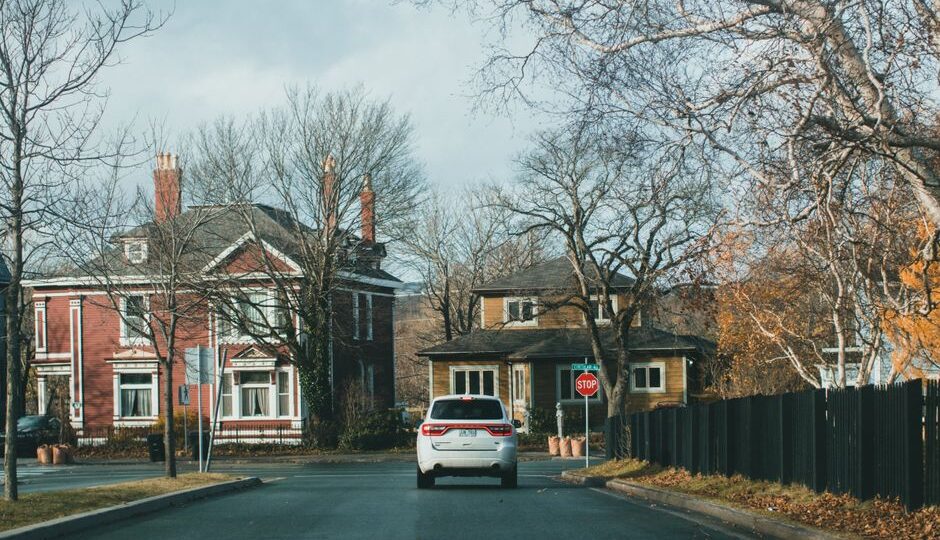
Introduction: A New Era for Suburban Travel
The suburbs have always been synonymous with tranquility, offering a peaceful retreat from the hustle and bustle of city life. However, transportation has often been a challenge for suburban dwellers, who rely heavily on personal vehicles for commuting. In 2026, autonomous cars are reshaping this landscape, offering a new dimension to suburban living. As these self-driving marvels become increasingly accessible, they are not only transforming the daily commute but also influencing residential and urban planning in profound ways.
The Rise of Autonomous Car Pools
Gone are the days when carpooling meant coordinating schedules and dealing with the logistics of who drives when. Autonomous car pools are the newest trend in suburban communities, making transportation more efficient and environmentally friendly. These self-driving vehicles can be scheduled to pick up multiple passengers along a route, optimizing travel time and reducing the number of vehicles on the road. In places like Alpharetta, Georgia, community-driven initiatives have already seen a 30% reduction in traffic congestion thanks to these intelligent systems.
Impact on Suburban Real Estate
With the advent of self-driving cars, suburban real estate is undergoing a significant transformation. The once all-important proximity to public transport lines is becoming less critical, as autonomous vehicles offer door-to-door service, regardless of location. This shift is encouraging developers to explore more remote areas, potentially lowering housing costs and expanding suburban boundaries. The demand for homes in areas like the outskirts of Dallas, Texas, has seen a 15% increase, as these locations become more viable for commuters.
Redefining Family Life and Workspaces
Autonomous vehicles are revolutionizing the concept of the family car. With AI at the wheel, these cars provide an extension of home, allowing passengers to utilize travel time more productively. Families in suburbs like Naperville, Illinois, are using commute time for activities ranging from virtual meetings to children’s homework, all within the comfort of their autonomous vehicle. This shift has also sparked a trend toward mobile workspaces, with some companies outfitting autonomous vans as traveling offices.
Environmental Benefits
Suburban areas have long struggled with the environmental impact of heavy car usage. Autonomous vehicles offer a greener solution, particularly those that are electric. The integration of self-driving electric cars in suburbs like Palo Alto, California, is contributing to a significant reduction in carbon emissions. These vehicles are designed to drive more efficiently, using less energy and reducing wear and tear on roads – a win-win for both the environment and local governments.
Challenges and Opportunities
While the benefits are clear, transitioning to a network of autonomous vehicles in suburban areas does not come without its challenges. Infrastructure upgrades, from charging stations to road sensors, are essential, requiring significant investment. Furthermore, there are concerns about cybersecurity and the potential for job losses in traditional driving roles. However, with challenges come opportunities. New jobs in tech support, vehicle maintenance, and AI programming are quickly emerging, indicating a positive trend for future employment in suburban communities.
Conclusion: A Practical Takeaway
As we navigate the new realities of autonomous transportation in 2026, suburban residents have much to gain. By embracing technology, communities can enjoy more accessible, environmentally friendly, and efficient travel solutions. For those living in or considering a move to the suburbs, it’s essential to stay informed and involved in local developments, ensuring that the benefits of autonomous vehicles reach their full potential in enhancing suburban life.