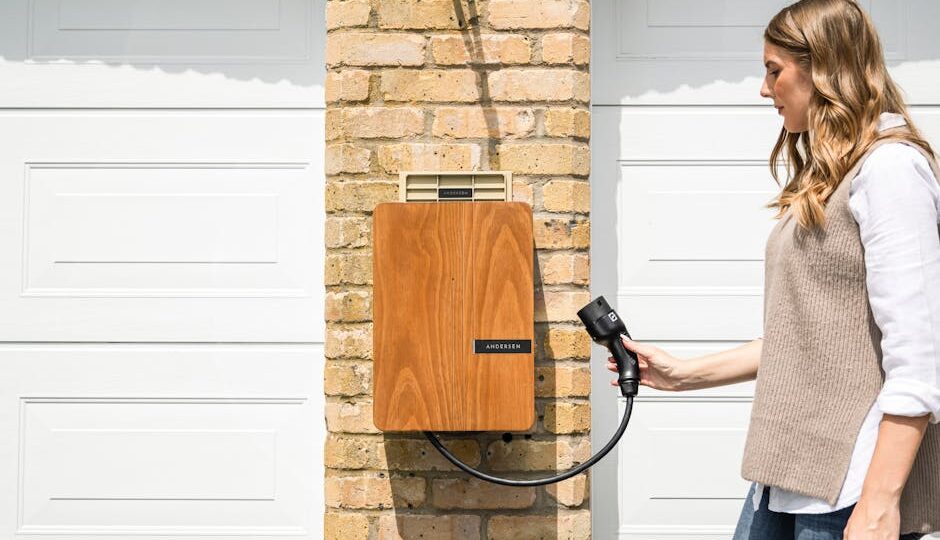
Introduction to Home Charging Stations
As electric vehicles (EVs) continue to dominate the automotive landscape in 2026, the demand for home charging solutions is at an all-time high. Building your own charging station at home might seem daunting, but with the right guidance, it’s a rewarding project that can save you money and provide unmatched convenience.
In this article, we’ll break down the steps to construct your own EV charging station, offering practical insights into selecting the right type of charger, understanding electrical requirements, and ensuring safety and efficiency.
Choosing the Right Charger
The first major decision is selecting the type of charger that suits your needs. In 2026, there are primarily three types of EV chargers available for home installation:
- Level 1 Charger: This is the most basic and typically comes with your EV. It plugs into any standard 120-volt outlet. However, it charges slowly, adding about 3-5 miles of range per hour.
- Level 2 Charger: Operating at 240 volts, this charger is much faster and more efficient, adding 20-30 miles of range per hour. Level 2 chargers are highly recommended for home installations due to their balance of cost and charging speed.
- DC Fast Charger: While incredibly fast, these are generally not suitable for home use due to their high cost and significant power requirements.
For most homeowners, a Level 2 charger is the ideal choice, offering a good compromise between installation complexity and charging speed.
Understanding Electrical Requirements
Properly setting up a home charging station requires understanding your home’s electrical capacity. Here’s what you need to consider:
- Check Your Electrical Panel: Ensure your home’s electrical panel can handle the additional load. A typical Level 2 charger requires a 40-amp dedicated circuit, and your panel should have ample capacity to support this.
- Upgrade if Necessary: If your panel doesn’t have the capacity, you may need to upgrade. Consult with a licensed electrician to determine the best course of action.
- Install a Dedicated Circuit: For safety and efficiency, ensure that the charger is on a dedicated circuit to prevent overloads.
This step is crucial, as improper installation can lead to electrical issues or even fire hazards.
Installation Process
Once the electrical requirements are sorted out, you can move onto the installation. Here’s a simplified guide:
- Locate a Suitable Spot: Choose a convenient location in your garage or driveway, where the charger can be easily accessed by your vehicle.
- Secure the Charger: Follow the manufacturer’s instructions to mount the charger securely to a wall. Make sure it’s protected from weather elements if it’s outdoors.
- Connect to Power: Have a certified electrician connect the charger to the power supply. This ensures all safety protocols are followed.
After installation, test the charger to confirm it is working correctly. Most modern chargers come with indicators to help diagnose any issues.
Ensuring Safety and Efficiency
With the installation complete, maintaining safety and efficiency is pivotal. Here are some tips:
- Regular Inspections: Periodically check the charger and electrical connections for any signs of wear or damage.
- Use Surge Protection: Protect your charger and vehicle from power surges by installing a surge protector.
- Monitor Energy Usage: Utilize smart features on modern chargers to monitor electricity usage and optimize charging times for energy efficiency and cost savings.
These practices will ensure your charging station remains safe and functional for years to come.
Practical Takeaway
Creating your own EV charging station is an investment in convenience and sustainability. By choosing the right equipment, understanding your electrical system, and prioritizing safety, you can efficiently charge your electric vehicle from the comfort of your home. As EV technology evolves, staying informed and prepared will keep your charging setup ahead of the curve.