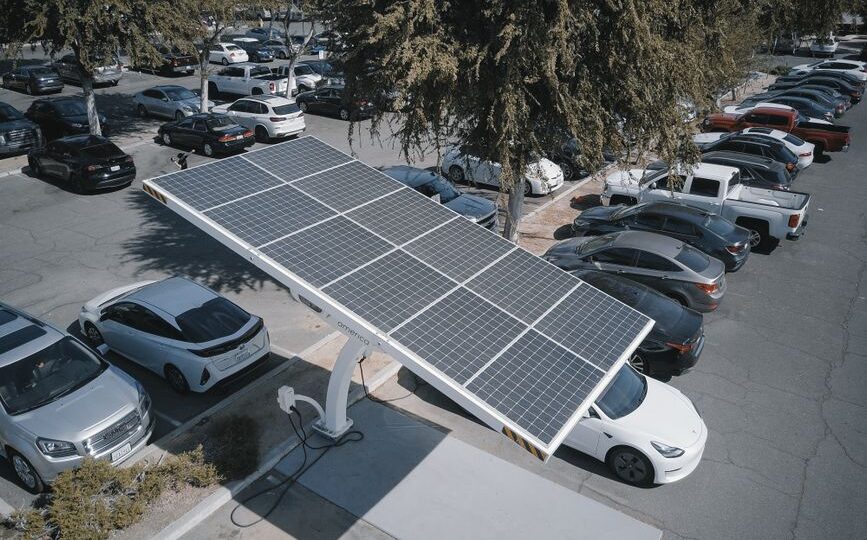
The Solar Revolution: Why 2026 is a Milestone Year for Solar Cars
As the automotive industry charges forward, 2026 is emerging as a pivotal year for solar-powered vehicles. This year marks a significant leap in integrating solar energy into car designs, transforming what once seemed futuristic into a practical everyday option. As countries ramp up their commitments to greener energy, solar cars are no longer just experimental prototypes; they’re ready for the road.
How Solar-Powered Cars Work
Solar-powered cars harness energy from the sun using photovoltaic panels, typically mounted on the car’s roof. These panels convert sunlight into electricity, which charges the car’s battery. Many of the leading models now offer a hybrid approach, combining solar energy with traditional battery storage to maximize efficiency and range. Imagine cruising through California’s Pacific Coast Highway without worrying about your emissions or fuel costs.
The Leading Models of 2026
- Tesla Solari X: Known for pushing boundaries, Tesla’s Solari X is a sleek sedan equipped with a state-of-the-art solar roof. It can extend the vehicle’s range by 20 miles on a sunny day, making it ideal for urban commuters.
- Hyundai SunCharge: Hyundai’s entry into the solar market offers a compact SUV with impressive solar integration. The SunCharge can top up its battery while parked, providing an additional 15 miles of driving range daily under optimal conditions.
- Lightyear One: A trailblazer in solar technology, Lightyear’s flagship model boasts the most solar panels of any production car in 2026. Capable of gaining up to 40 miles of range per day from the sun alone, it’s perfect for adventurous, off-grid travel.
Challenges and Innovations
While the promise of solar cars is bright, there are hurdles to overcome. First, photovoltaic technology must evolve to capture more energy efficiently in varying climates. Thankfully, 2026 has seen breakthroughs in flexible solar panels that can contour around a vehicle’s body. Additionally, advancements in energy storage are crucial. Companies are investing in high-capacity, lighter batteries that store solar energy more effectively, ensuring drivers can rely on solar power even on cloudy days.
Impact on the Environment and Economy
Solar cars are not just about reducing carbon footprints; they’re poised to impact the economy significantly. As solar vehicles become mainstream, we can expect a decline in fossil fuel dependency, leading to lower prices and less volatility in the oil markets. Moreover, this shift promotes energy independence, reducing geopolitical tensions associated with oil reliance.
Environmentally, solar cars offer a clean alternative, promising reductions in urban pollution and greenhouse gas emissions. For example, a typical solar-powered car can decrease annual CO2 emissions by up to 3 tons compared to a conventional gas-powered vehicle.
Practical Takeaway: Embracing the Solar Car
For those considering the leap into solar vehicle ownership, 2026 presents a golden opportunity. With advancements in technology and a growing market of options, investing in a solar-powered car can be both an eco-friendly and economically sound decision. Whether you’re a city dweller making short commutes or an adventurer seeking off-grid escapades, the solar revolution offers something for everyone. It’s time to embrace the sun!