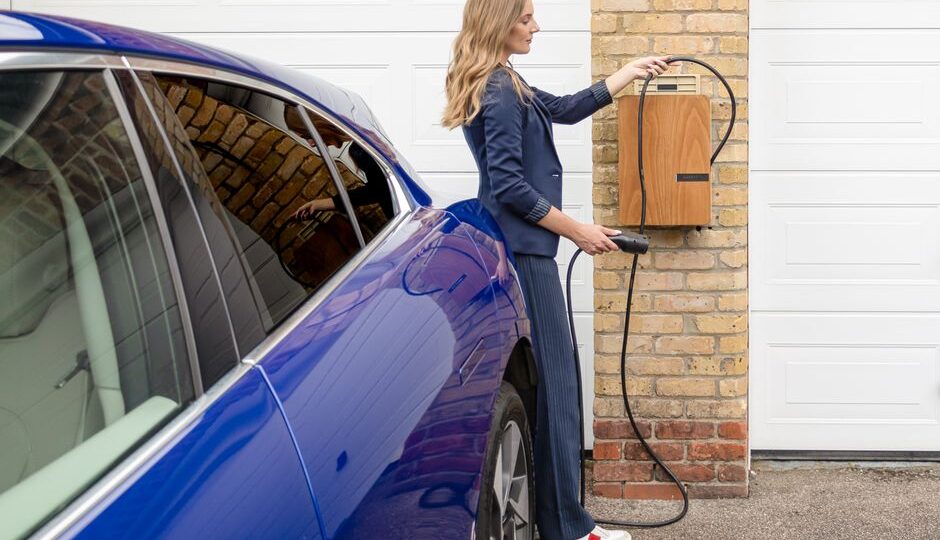
The Rise of Home EV Charging Stations
It’s 2026, and across suburban landscapes and urban environments, something remarkable is happening. As electric vehicles (EVs) continue to dominate the roads, home EV charging stations are becoming a common sight, reshaping neighborhoods and daily routines. The days of driving to the nearest public charging station are fading fast.
The Evolution of Charging Technology
Gone are the chunky, inefficient chargers of the past. Today’s home EV chargers are sleek, efficient, and smart. The latest models boast charging capacities of up to 350 kW, which means your EV can go from zero to fully charged in under 30 minutes. And thanks to advancements in smart technology, these chargers can be scheduled to draw power during off-peak hours, saving homeowners a significant amount on energy bills.
Installing a Home EV Charger: What You Need to Know
Thinking about installing a home EV charging station? The process is more straightforward than you might think. First, check your home’s electrical system. Most modern homes can support a Level 2 charger, but older homes might require an electrical upgrade. It’s wise to consult with a certified electrician to assess your setup.
Next, consider the location. Ideally, the charger should be close to your parking spot for convenience. And don’t forget about weather protection—a simple overhang or garage installation can save you from weather-related wear and tear.
The Impact on Property Values
Surprisingly, home EV charging stations are not just about convenience. They’re also boosting property values. Real estate agents report that homes equipped with EV chargers are selling faster and often at a premium. In areas like Palo Alto, CA, and Austin, TX, an installed EV charger can add up to 5% to a home’s value, making it a smart investment for homeowners planning to sell.
Community Benefits and Environmental Impact
The benefits of widespread home EV charging extend beyond individual homeowners. As more families opt for EVs, neighborhood air quality is improving. Less dependence on fossil fuels means fewer emissions, contributing to a healthier environment. Community charging stats from Boulder, CO, show a 20% reduction in local CO2 levels since 2023.
Moreover, as communities embrace EVs, they’re also investing in renewable energy sources. Solar panels are becoming more common on roofs, powering both homes and vehicles, and creating microgrids that support the wider energy infrastructure.
Practical Takeaway
Installing a home EV charging station isn’t just about convenience. It’s about future-proofing your home, contributing to environmental sustainability, and even boosting your property value. As we move further into the decade, these chargers are not just a trend—they’re a cornerstone of modern living. So if you haven’t already considered one for your home, now might be the perfect time to plug in and power up your future.