Autonomous Vehicle Evolution: Beyond the Basics
The buzz around autonomous vehicles has been building for years, but as we find ourselves in 2026, the technology has taken some impressive strides. Today, these vehicles are no longer just about getting from point A to point B without driver intervention. They are evolving into smart companions capable of making complex decisions. In cities like San Francisco, autonomous taxis now navigate busy streets, seamlessly interacting with both pedestrians and human-driven vehicles.
One remarkable advancement is the integration of adaptive learning systems. These systems enable vehicles to learn from their environments and past experiences to optimize routes, improve energy efficiency, and enhance passenger comfort. Imagine a car that not only takes you home but also learns your routine pit stops and adapts accordingly. Mercedes-Benz has already incorporated such technology in their latest S-Class models, allowing for a more intuitive and personalized driving experience.
Solid-State Batteries: Powering the Future
The automotive industry has long been reliant on lithium-ion batteries, but the rise of solid-state batteries is set to redefine electric mobility. These batteries promise a significant leap in energy density, which means longer ranges for electric vehicles (EVs) and shorter charging times. As of 2026, companies like Toyota and QuantumScape have entered the market with vehicles powered by solid-state technology.
Why is this a big deal? Not only do these batteries charge faster, but they are also less prone to overheating, enhancing the safety of EVs. In terms of numbers, we’re talking about a 50% increase in range over traditional lithium-ion batteries. This breakthrough could make cross-country drives in electric vehicles a breeze, with charging stations becoming less of a necessity at every stop.
Quantum Computing in Vehicle Design
Quantum computing is no longer just a concept confined to the realms of theoretical physics. In the automotive world, it’s playing a crucial role in vehicle design and efficiency optimization. By 2026, major manufacturers like Ford and BMW are leveraging quantum computing to simulate complex molecular structures, enabling the creation of lighter yet stronger materials.
This advancement translates into vehicles that are not only safer but also more fuel-efficient. Picture a sedan that, thanks to its quantum-engineered chassis, offers the durability of a truck without compromising on speed or agility. The possibilities are as thrilling as they are practical, with real-world applications already being tested on the roads of Munich and Detroit.
Vehicle-to-Everything (V2X) Communication
The concept of vehicles communicating with each other and their surroundings is rapidly becoming a reality. Known as Vehicle-to-Everything (V2X) communication, this technology uses a combination of Wi-Fi, cellular, and satellite networks to enable vehicles to interact with infrastructure, pedestrians, and even the weather.
In 2026, smart cities like Singapore have fully integrated V2X systems, reducing traffic congestion and improving road safety. An example of this technology in action can be seen at intersections, where vehicles communicate with traffic signals to optimize flow and minimize wait times. For drivers, this means less time stuck in traffic and more efficient commutes, ultimately contributing to lower emissions and cleaner air.
Augmented Reality (AR) in Automotive Interfaces
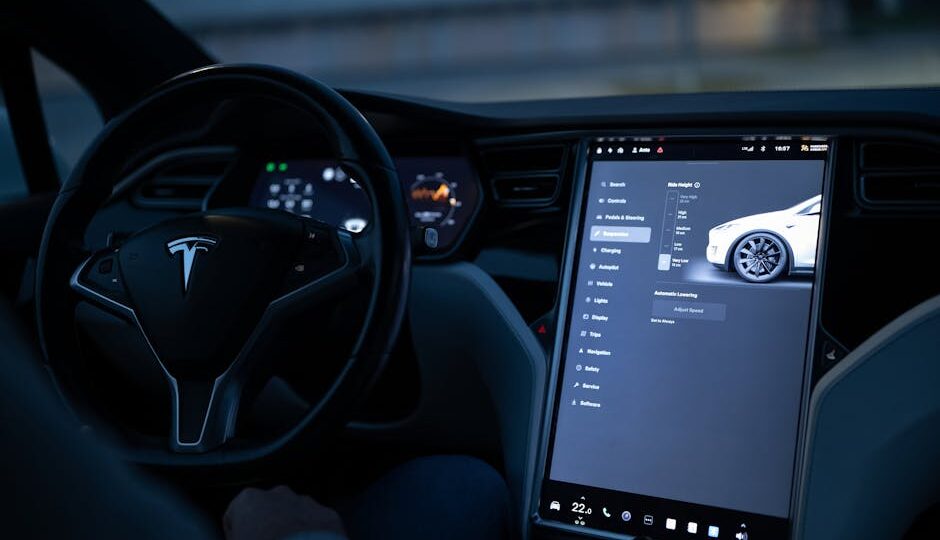
The cockpit of a modern car is becoming a canvas for augmented reality (AR) technology. Gone are the days of traditional dashboards. Instead, drivers are greeted with holographic displays that project crucial information directly onto the windshield. This innovation enhances focus and situational awareness by minimizing the need to glance away from the road.
Companies like Hyundai and Audi are leading the charge with AR interfaces that offer navigation cues, hazard alerts, and even real-time traffic updates. Imagine driving through New York City and having your windshield highlight the best route to your destination while warning you of potential obstacles.
Practical Takeaway: As we embrace these cutting-edge technologies, the future of driving looks promising and exhilarating. Whether it’s the enhanced safety and convenience of autonomous features or the eco-friendly benefits of solid-state batteries, these innovations are set to transform our roads and driving experiences. As we move forward, staying informed about these technologies will be key to making savvy automotive choices.